Building Brands With People, Not Just for Them
Some of our most successful campaigns have started by inviting the audience into the creative process.
Co-creation can give brands something that is difficult to manufacture from the outside: extraordinary relevance.
Relevance is one of the hardest things for a brand to achieve, particularly when it is trying to connect with a specific community, generation or culture.
You can research an audience extensively. You can understand their behaviours, attitudes, media habits and motivations. You can employ strategists and creatives who know the market. All of those things are great, but…
Co-creation goes further. It brings the people you want to reach directly into the process of creating the brand, campaign or content.
At Seven Brands, we have used co-creation in very different markets and for very different audiences. Three projects, for Coca-Cola across Africa, Ooredoo in Oman and Facebook in Bangladesh, demonstrate how powerful the approach can be.
The methods varied. Sometimes we brought consumers into workshops and developed ideas with them. Sometimes we handed creative control to young artists. Sometimes we worked with existing communities and content creators.
The common principle was participation. The audience helped shape what the brand eventually put into the world.
Coca-Cola: creating with African youth
Coca-Cola asked us to help it regain relevance with young people across 39 markets in Central, Eastern and Western Africa.
It was an enormous and extraordinarily diverse audience. Trying to understand African youth through a conventional research process alone would only take us so far.
So we changed the process.
Instead of conducting research, returning to the agency and developing a campaign behind closed doors, we created directly with young Africans.
We ran co-creation workshops where young people brainstormed ideas alongside us. Our creative teams then took those ideas away, developed and designed them overnight, and brought them back to the groups the following day.
That speed was important. Participants could see what their thinking might become, react to it and push it further. Ideas evolved through a continuous exchange between the audience and the creative team.
Several powerful concepts emerged.
One was Coke Radio, a platform designed around one of the great passions connecting African youth: music. Rather than simply advertising to young people, Coca-Cola could participate in something already important to them and create an ongoing platform for engagement.
Another idea turned Coca-Cola's own packaging into a cultural platform. African Artist Coke wrappers showcased the work of aspiring African artists, giving young creative talent visibility through one of the world's most recognisable brands.
The process gave us something beyond audience insight. It allowed us to see possibilities through the eyes of the people we wanted the brand to engage.
Shababiah: a youth brand created by Omani youth
Our work for Ooredoo Oman took co-creation even further.
Ooredoo asked Seven to create Shababiah, meaning "youthy" in Arabic, as a new brand for engaging young Omanis. Youth represented a hugely important growth audience in Oman, with half the population born after 1992. The commercial target was ambitious: acquire 40,000 new customers within six months.
Our strategy was built around a simple idea: let young Omanis create the brand themselves.
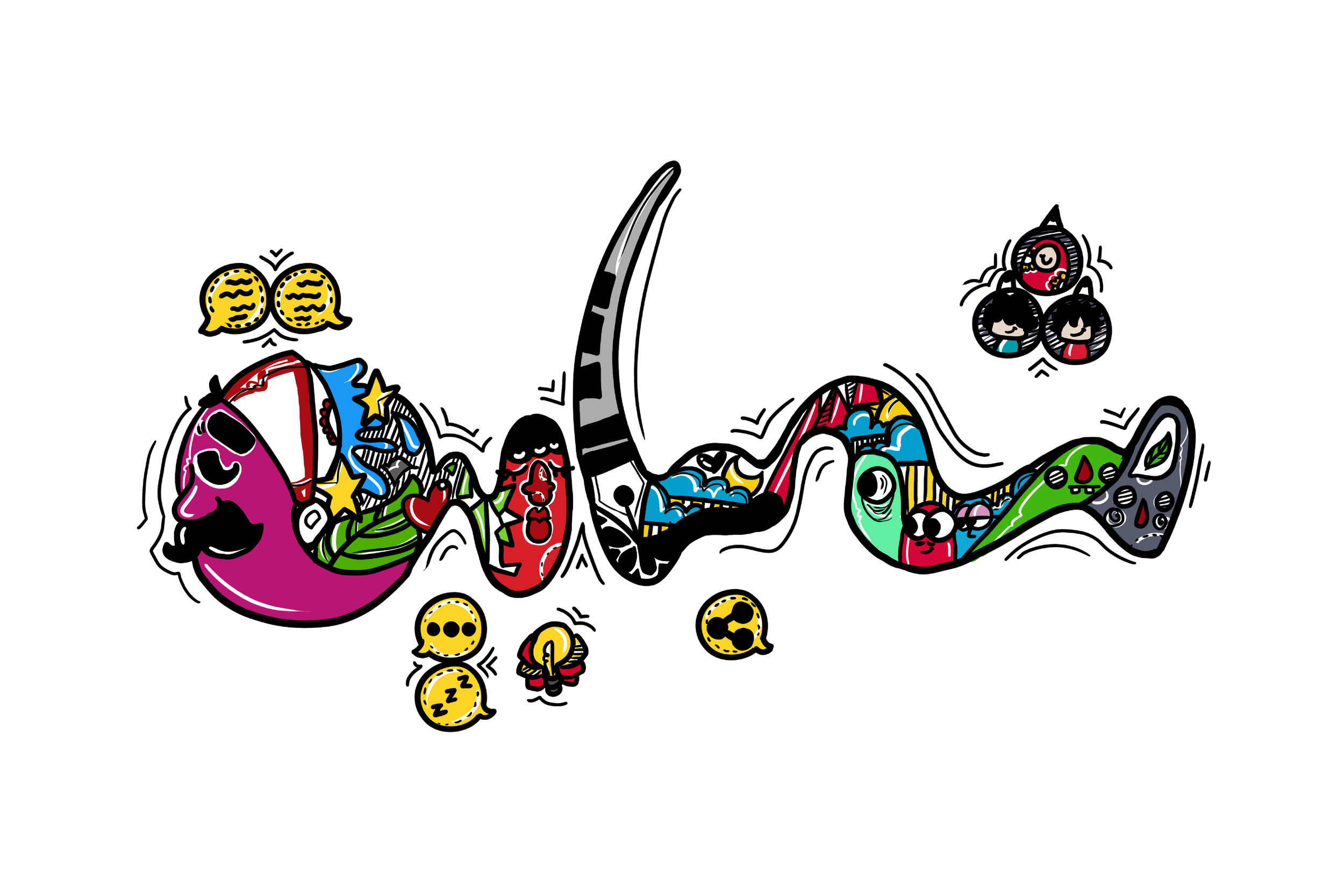
We commissioned an Omani calligrapher to create the Shababiah logotype, then invited emerging young Omani artists to interpret it in their own way. They were given the logotype and creative freedom to show us their Oman, their interests and their visual culture.
The contributors included artists working in sand art, light painting, calligraphy, conceptual portraiture, illustration, doodling and surrealist painting. Their work became far more than material for a campaign. It became the visual world of Shababiah.
We filmed the artists as they worked, turning the creative process itself into social content. Their artwork went on to appear across advertising, SIM card packaging, vehicle livery, press packs, merchandise and digital channels.
The result had an authenticity and visual energy that came directly from the community the brand wanted to reach.
It also delivered commercially. Within six months, Shababiah had acquired 200,000 young customers against a target of 40,000, gaining a 10 per cent share of the youth segment. Average revenue per user was 57 per cent above target.
There was a wider cultural effect too. Shababiah provided emerging Omani artists with a major public platform, and the participating artists subsequently reported significant increases in commissions.
The people creating the culture became the people creating the brand.
Facebook: building relevance with women in Bangladesh
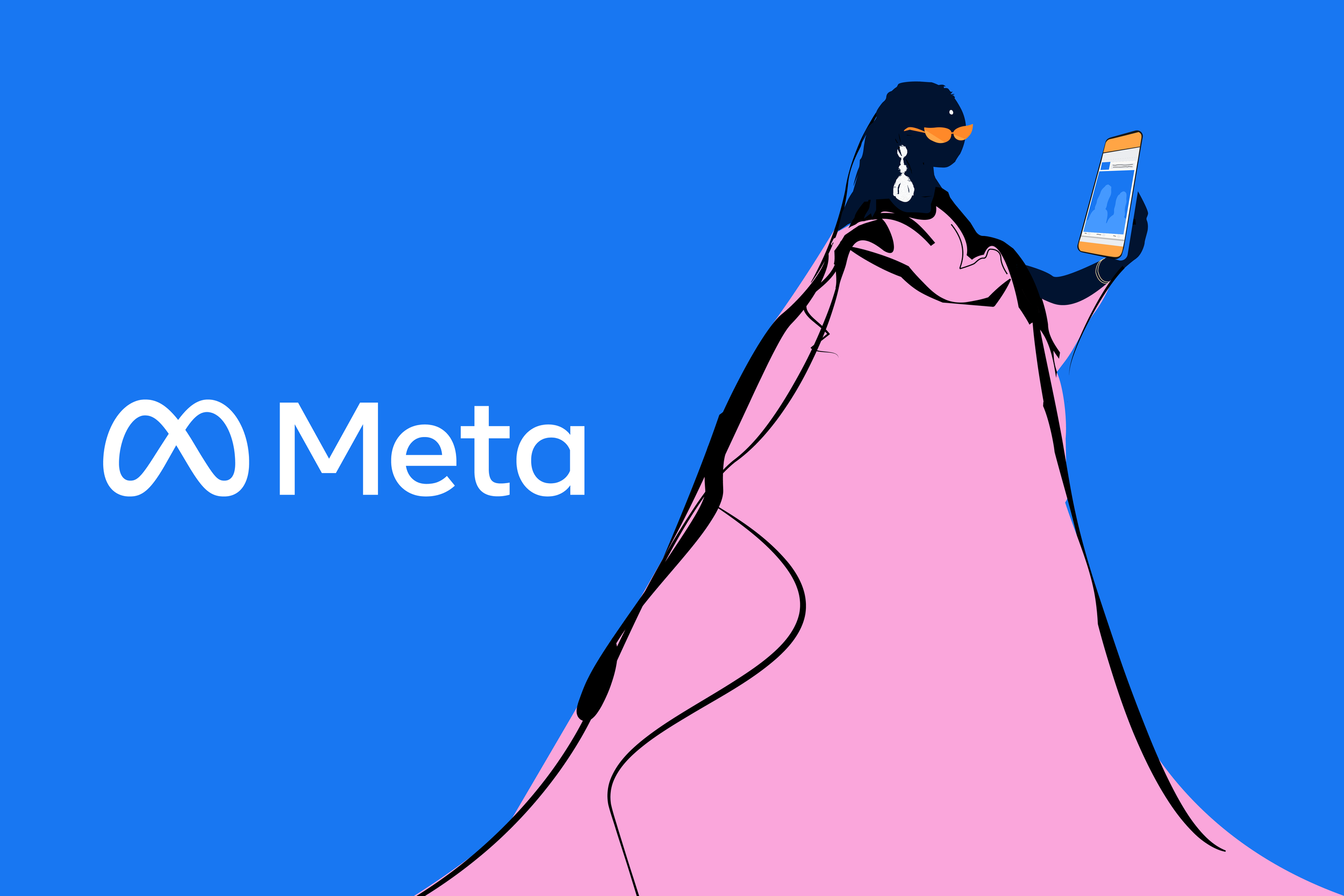
Our work with Facebook, now Meta, presented a very different challenge.
Facebook wanted to encourage more conservative women in Bangladesh to use the platform. There were two important communications tasks. Women needed to feel that Facebook could be a safe environment for them, and they needed to see why it was relevant to their lives.
For the second challenge, we turned to women who were already creating that relevance themselves.
Across Bangladesh, female-led Facebook Groups had developed around interests including gardening, cooking, beauty and make-up artistry. These were real communities, created and sustained by women using the platform.
We worked with local Bangladeshi content creators and drew on user-generated content from these communities. We collaborated with female-led Groups to showcase what their members were doing, curate stories from within the communities and encourage other women to discover and join them on Facebook.
This allowed relevance to come from the women themselves.
A gardening community could demonstrate how Facebook helped women exchange knowledge and pursue an interest. A cooking Group could show how recipes, skills and experiences were shared. Beauty creators could demonstrate how women were learning, creating and building communities around a common passion.
The campaign therefore reflected Facebook as it was already being used by Bangladeshi women, expressed through recognisable people, interests and communities.
Why co-creation works
These three projects were created for different brands, markets and cultures, but they share an important principle.
The closer people are to the creation of an idea, the more naturally that idea can reflect their world.
Co-creation gives brands access to language, aesthetics, passions, behaviours and cultural references from within a community. It can uncover ideas that are difficult to reach through observation alone. It can create a stronger sense of ownership among the people a brand hopes to engage. It can go further and be braver than a campaign created by outsiders, playing with cultural cues in a way that challenges from within.
The role of the agency remains critical. Co-creation requires a clear strategic framework, strong facilitation and the ability to recognise which raw ideas have the potential to become powerful brand platforms. Creative direction and curation turns participation into coherent, distinctive communications.
For Coca-Cola, co-creation helped us explore what could make a global brand meaningful to young Africans across 39 markets.
For Ooredoo, it allowed young Omanis to create the visual culture of a brand intended specifically for them.
For Facebook, it enabled Bangladeshi women to demonstrate the value of online communities through their own interests, experiences and voices.
At Seven Brands, we believe the best way to understand an audience is, sometimes, to create alongside them.
When relevance really matters, co-creation puts the people you want to reach inside the creative process.
CO-Creation in Practice
From engaging young people across Africa to collaborating with artists in Oman and women-led communities in Bangladesh, these projects show how co-creation helps brands build cultural relevance. Explore the work below to see how Seven brings audiences into the creative process.